The Surface Story: 2019 Promise, 2024 Frustration
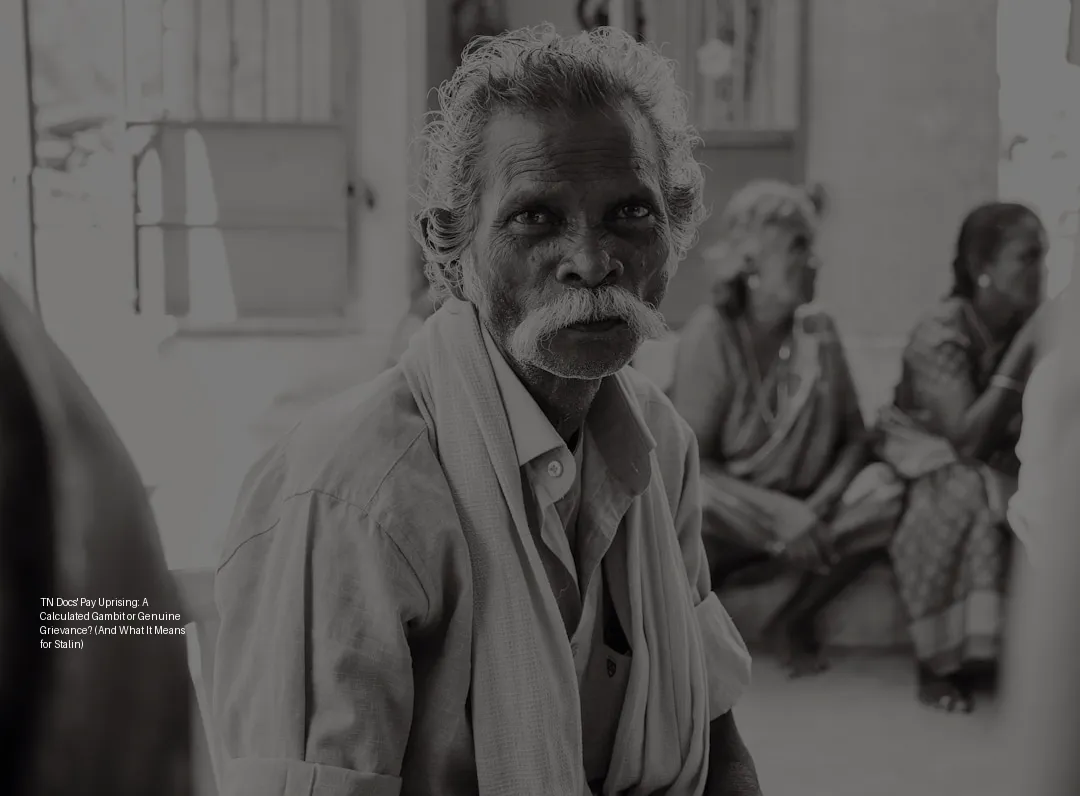
The Tamil Nadu Government Doctors’ Association (TNGDA) is breathing down Chief Minister Stalin’s neck, demanding he cough up the promised pay revisions dating back to 2019. The Hindu’s reporting is, frankly, understated. This isn’t a polite request; it’s a demand, and the tone is hardening. We’re talking about a significant chunk of doctors – the frontline warriors, remember – feeling ignored and undervalued. The promised hike, tied to revised pay scales and allowances, is substantial. Ignoring it isn’t just bad optics; it’s a ticking time bomb.
Deeper Dive: Beyond the Paycheck – A System Under Strain
Let’s be clear: this isn’t just about the money. It’s symptomatic of a larger malaise within the Tamil Nadu healthcare system. Years of underfunding, crippling workloads, and inadequate infrastructure have created a pressure cooker environment. Doctors are already stretched thin, battling everything from seasonal diseases to the lingering effects of the pandemic. Throw in the bureaucratic inertia and the constant feeling of being taken for granted, and you’ve got a recipe for discontent. This pay dispute is the trigger, not the root cause.
The Political Calculus: Stalin’s Tightrope Walk
Stalin’s DMK government is facing multiple headwinds – economic challenges, rising inflation, and simmering caste-based tensions. This doctor’s agitation adds another layer of complexity. Giving in completely would set a precedent, potentially emboldening other government employees to demand similar concessions. But not giving in? That’s political suicide. A prolonged strike by government doctors would cripple the public healthcare system, impacting millions of vulnerable citizens. The optics are disastrous – a government failing to care for its healthcare providers while simultaneously claiming to champion social justice. Bada risky, bhai.
Intelligence Assessment: Potential Scenarios & Mitigation Strategies
Scenario 1 (Most Likely): A negotiated settlement. Stalin will likely offer a partial or phased implementation of the pay hike, coupled with promises of infrastructure improvements and workload reduction. Expect some theatrics and public displays of goodwill. Chalo, see how it goes.
Scenario 2 (Moderate Probability): A prolonged, albeit limited, strike. A core group of doctors, fueled by frustration and a desire for systemic change, may stage a limited strike, focusing on essential services. This would put significant pressure on the government but could be managed with careful planning and resource allocation.
Scenario 3 (Low Probability, High Impact): A widespread, indefinite strike. This is the nightmare scenario. A complete shutdown of government hospitals would trigger a public health crisis and severely damage Stalin’s credibility. This is unlikely unless the government continues to stonewall the doctors’ demands and resorts to heavy-handed tactics.
Mitigation Strategies for the Government:
- Immediate Dialogue: Stalin needs to engage in serious, good-faith negotiations with the TNGDA. No more bureaucratic delays or evasive tactics.
- Transparency: Be upfront about the financial constraints and the challenges of implementing the pay hike. Explain the rationale behind any phased implementation. Honesty, yaar.
- Address Systemic Issues: Don’t just focus on the pay. Invest in infrastructure, reduce workloads, and improve working conditions. Show the doctors that you value their contribution.
- Strategic Communication: Launch a public awareness campaign to highlight the government’s efforts to improve healthcare and address the doctors’ concerns. Counter any negative narratives with facts and figures.
Conclusion: A Test of Leadership
This isn’t just a pay dispute; it’s a test of Stalin’s leadership. His ability to navigate this crisis effectively will determine not only the fate of Tamil Nadu’s healthcare system but also the long-term stability of his government. Keep a close eye on this one.